Poker Tells, Slot Myths, and the Real Math of Betting
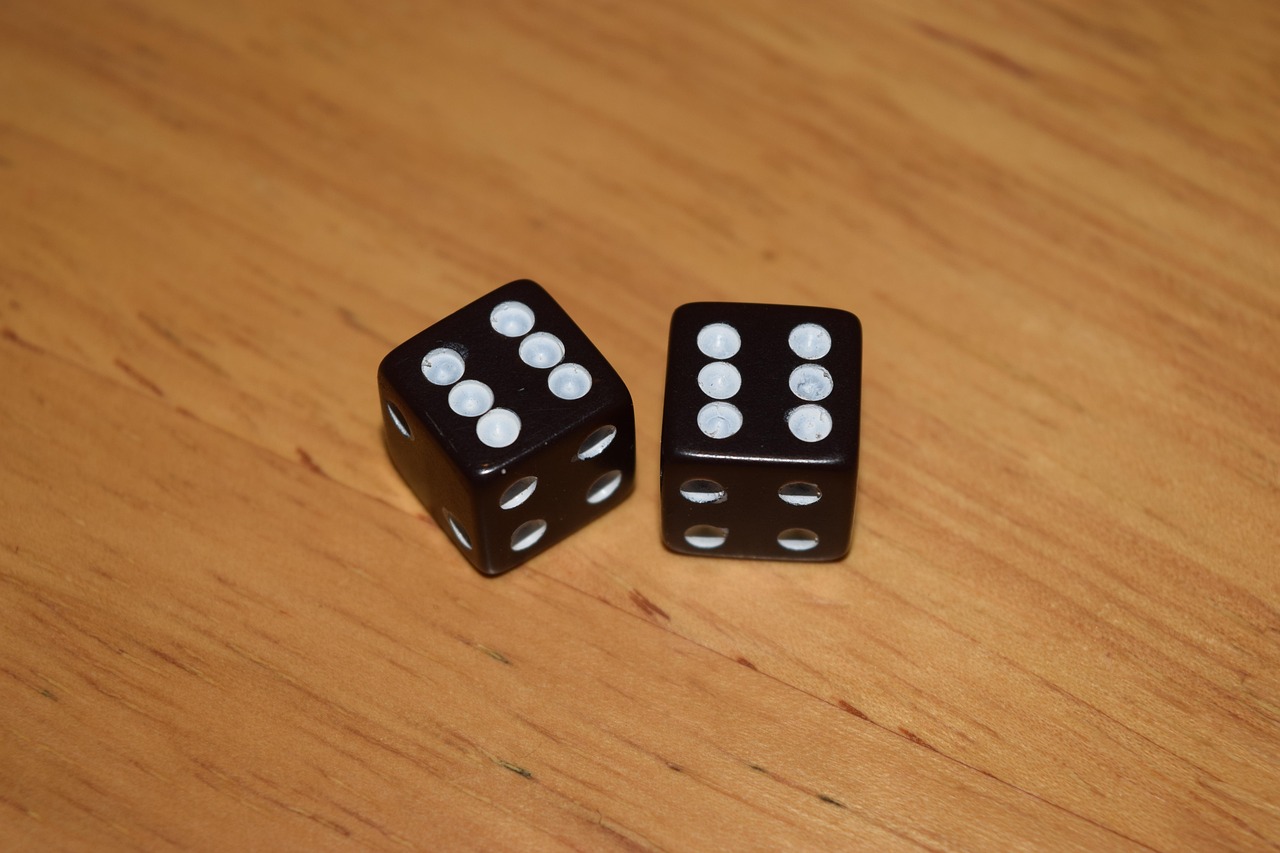
Three players sit at the same $2/$5 no-limit table in a Macau card room. One is a former accountant who grinds a 4bb/100 win rate. One is a tourist chasing a flush draw he'll never fold. One is a bored businessman who hasn't looked at his hole cards yet. All three think they're playing poker. Only one of them actually is. That gap between thinking you're playing a game and understanding the game is the single biggest separator between people who lose money at iGaming and the small percentage who don't. It applies just as much to slots, sports betting, and blackjack as it does to the felt.
Slot Volatility Is Not a Marketing Buzzword
Walk through any online casino lobby and you'll see games tagged "high volatility" or "low volatility" like they're flavor notes on a wine bottle. Most players scroll past. That's a mistake, because volatility dictates how you'll experience the exact same house edge.
A slot with 96% RTP and low volatility might pay you back in frequent small chunks—think $8 wins every 40 spins. The same RTP with high volatility (think 4000x max wins, like NetEnt's Dead or Alive 2 or Push Gaming's Jammin' Jars) might go 300 spins dry and then hit a 600x. Same mathematical return over millions of spins. Radically different bankroll experience over your 200-spin session.
- Low volatility: good for stretching a small bankroll, bad for chasing jackpots
- Medium volatility: the sweet spot most reputable developers target
- High volatility: requires 200+ x your bet as bankroll, or you'll bust before the feature triggers
A practical rule I've used for years: match your starting balance to the volatility. On a $50 deposit, play 20-cent spins on medium-volatility games, not $1 spins on Money Train 3. The variance will eat you alive before any bonus round shows its face.
The House Edge Numbers You Should Actually Memorize
Every casino game in existence is a math problem with a known answer. The answer doesn't change because you're on a hot streak or because the dealer is cute. Here's the version you should actually carry in your head:
- Blackjack (basic strategy): 0.5% house edge—the best bet in any casino
- Baccarat (banker bet): 1.06%—and never take the tie bet at 14.4%
- Craps (pass line, full odds): under 1% with max odds
- European roulette: 2.7%, single-zero only
- American roulette: 5.26%—skip it, always
- Slots: typically 2%–10%, depending on the machine and jurisdiction
- Keno and scratch cards: 25%–35%, the worst bets on the floor
Notice the pattern: skill and decision-making shrink the edge. The moment you can't influence the outcome, the operator sets the tax. Slots being the most popular product in iGaming is not an accident—it's the highest-margin one.
Poker Tells Are 90% Boredom and 10% Body Language
New poker players obsess over Hollywood tells—the shaking hand, the pulse in the neck, the staring contest. At real tables, live or online, the useful information comes from timing and bet sizing, not from whether someone's eye twitches.
Here's the tell that actually pays: an online opponent who snap-calls a flop bet and then tanks for 20 seconds before checking a blank turn is usually on a draw that missed, or a weak pair. The instant call was reflexive. The tank was acting. Meanwhile, a player who takes 4 seconds on every decision, whether he's bluffing or value betting, is telling you nothing—and that's the opponent you should fear. If this is new to you, slot dana is a sensible next read.
Live, watch how a player stacks chips. Someone who cuts chips carefully and bets in tidy lines is often a thinking player. Someone who splashes chips forward like he's feeding ducks is often not. Neither is a license to call, but both inform your read over 50+ hands.
The other classic: weak means strong, strong means weak at low-stakes tables. The guy who loudly announces "I guess I have to call" with a monster is a meme for a reason. At higher stakes, this reverses—good players mimic weakness with strength and vice versa. Read the room before you trust the textbook.
Betting Markets: Why Closing Lines Are the Only Honest Scoreboard
Sports betting is the one vertical where the average punter can actually be right more often than the bookmaker—if they specialize. The closing line, not your win-loss record, is the real measure of skill. If you consistently bet a team at -110 and the line closes at -125, you got value. If it closes at +105, you were on the wrong side.
A few concrete habits that separate profitable bettors from the ones who post screenshots of three-leg parlays:
- Specialize in one league—knowing the third-string goalkeeper in the Championship beats knowing the top scorer in every league
- Track your CLV (closing line value)—anything above 0% over 500 bets is a genuine edge
- Avoid parlays unless correlated—each leg multiplies the vig, and the book's margin grows exponentially
- Line shop obsessively—a half-point on an NFL spread is worth 2–4% of EV
One number worth internalizing: a bettor who beats the closing line by 2% wins about 53–54% of the time against a standard -110 book. That's profitable. That's also a grind of hundreds of bets with hundreds of hours of tape. There's no shortcut.
Bankroll Management Is the Only Skill That Never Goes Cold
Every game in this industry has a strategy component and a luck component. Bankroll management is the one thing fully under your control—and it's the single most common reason otherwise competent players go broke. The rule that works, across poker, betting, and casino play alike:
Never risk more than 1–2% of your total iGaming bankroll on a single event.
That means a $1,000 poker bankroll plays $10–$20 buy-ins. A $500 betting bankroll sticks to $5–$10 units. A $200 casino bankroll plays 50-cent to $1 spins on medium-volatility slots. When you treat your roll like a business expense rather than a Friday night budget, you survive the variance and stay around long enough for the edge—if you have one—to compound.
You also should separate bankrolls by vertical. Poker money is not slot money. Sports betting units should not fund a roulette session. The moment they mix, you lose track of which game is actually costing you and which is paying.
The Bottom Line
iGaming isn't rigged in the sense conspiracy theorists mean—the RNGs are audited and the RTPs are published. It's rigged in a subtler way: the products are designed so the house edge works quietly in the background while the player focuses on the entertainment. Nothing wrong with that, as long as you walk in with your eyes open. Know the volatility of the slot you're spinning, know the actual house edge of the table you're sitting at, know why the closing line moved, and never risk rent money on a 4000x jackpot dream. Do those four things and you're already in the top 5% of players in this industry. The rest is variance.