Checklist: Spring Cleaning a Small Flat with No Outdoor Space

Spring cleaning a flat with no garden asks a different question from the one most checklists answer. You cannot carry the rug outside, hose down the bin or leave the cushions on the lawn while they air. Everything happens inside a few square metres, which means the order you do things in matters as much as the effort you put in. Get the sequence right and a small flat can be turned over in a weekend without the place feeling damp, dusty and half-finished for a fortnight afterwards.
Air the flat before you clean it
Two windows open at opposite ends of the flat for ten to fifteen minutes will do more than leaving one window on the latch all day. That short cross-draught pushes out stale air and the humidity that builds up overnight, and it does it without cooling the walls right down, which is what encourages condensation in the first place. Do this before you start moving dust around, not after.
While the windows are open, deal with the mechanical side of ventilation. Pull out the kitchen extractor filter and wash it, or swap the carbon pad. Wipe the bathroom fan cover and hoover the grille with a brush attachment. If your windows have trickle vents, open them and leave them open for the rest of the season. These jobs take minutes and make everything else dry faster.
Room by room, without dragging mess through the flat
Work one room at a time and finish it before you start the next. In a small flat, half-finished rooms fill the space you need to work in. Carry four things with you: a bin bag, a cloth and spray, a vacuum, and a box for items that belong somewhere else. Put that box away at the end of each room rather than at the end of the day.
Kitchen
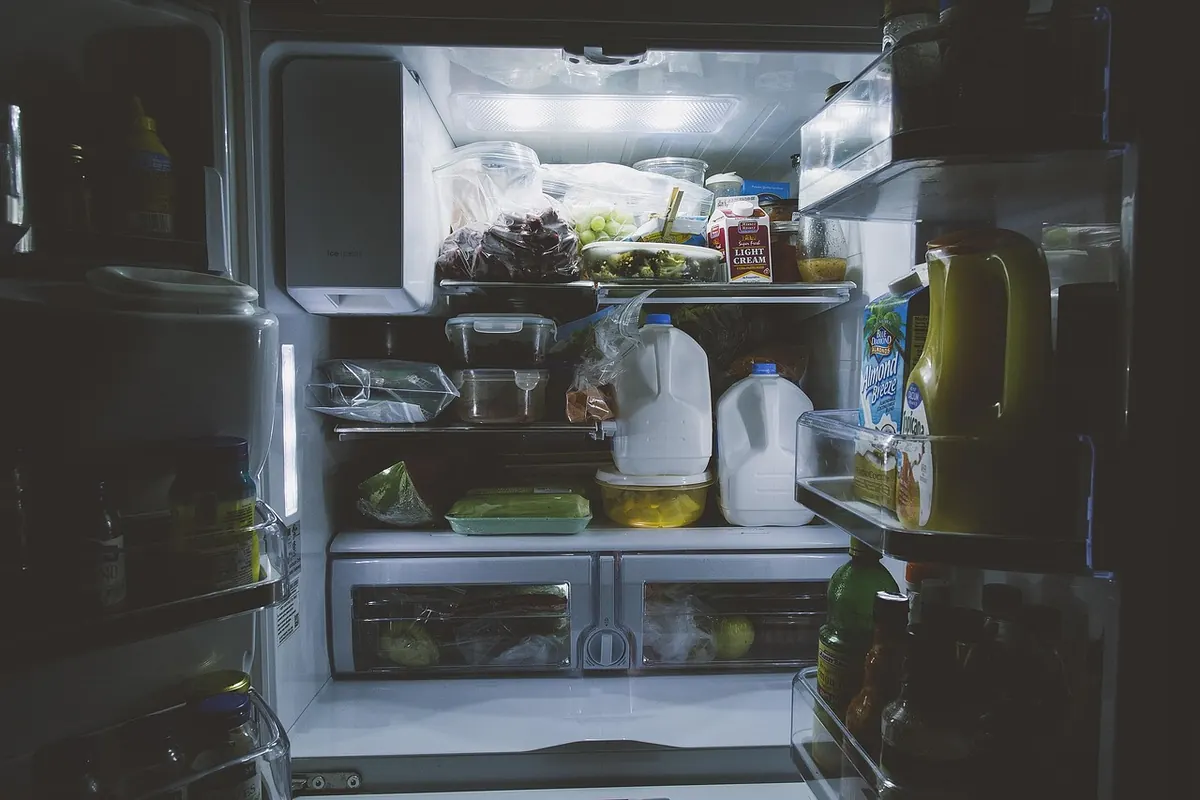
Empty one cupboard at a time rather than the whole kitchen. Wipe the shelves, check dates on opened packets, and put the least-used items back first — top shelves and the back of deep cupboards are where clutter goes to be forgotten. Degrease the extractor hood, the splashback and the tops of wall units; in a flat they collect a film you only notice when the light changes. Pull the fridge out if you can do it safely and vacuum the dust from the back. Defrost the freezer if it is a manual one. Finish with the bin: rinse it inside with hot water and a little bleach-based cleaner, dry it, then leave a sprinkle of bicarbonate of soda in the bottom.
Bathroom
Squirt limescale remover onto the shower screen, tiles and tap fittings first, then clean the rest while it works. Look closely at the silicone around the bath and shower tray. If it has gone black rather than grey, mould has got behind the seal and wiping the surface will not fix it; that is a resealing job, and in a rented flat it is usually the landlord's. Wash the shower curtain or liner on a cool cycle if the label allows, along with the bath mat and the toilet brush holder. Then do the parts nobody photographs: the top of the cabinet, the extractor grille, the hinges under the toilet seat, the gap between the toilet and the wall.
Bedroom
Strip the bed and vacuum the mattress on both sides. Sprinkle bicarbonate of soda over it, leave it for twenty minutes while you clean the windows, then vacuum it off. Check the care labels on pillows and duvets before washing them; many need a launderette machine rather than a domestic one. If you store things under the bed, take everything out, wipe the containers and put back only what you have actually used since last spring. In the wardrobe, turn every hanger the wrong way round and turn it back as you wear things; by next spring you will know exactly what to move on.
Living room and hallway
Lift the sofa cushions and vacuum the crevices with the brush attachment. Wipe the skirting boards, door frames, light switches and the tops of doors — in a small flat these sit near eye level, so dust is far more visible than it would be in a larger room. In the hallway, be ruthless with shoes, coats and bags. Shake the doormat outside the front door if your building allows it, otherwise beat it over the bath with the bathroom door shut.
Storage and cupboards
These are where the real work hides. Empty each cupboard completely, wipe it out, and decide what goes back. A few things worth checking:
- Spare bedding and towels: wash anything that has sat untouched for a year before folding it away.
- Cleaning products: bin anything separated, unlabelled or clearly past its best, and take unwanted chemicals to a household waste recycling centre rather than the kitchen bin.
- Paperwork: shred or recycle what you no longer need, and keep a single folder for the documents you actually refer to.
- Under-sink and utility cupboards: check for slow leaks and drips before you put everything back.
Cleaning the things you would normally take outside
Without a garden, the bathroom becomes your wet room. Shower heads, bins, plant pots, the sink drainer and the plastic trays from the fridge can all be washed in the bath, then left to drain on an old towel on the bathroom floor with the fan running and the window open a crack. Do not dry them on the kitchen worktop; that just moves the mess.
Dust-heavy items are trickier. Cushions, curtains and rugs can be shaken out of a window if you can reach safely with a long-handled beater, but a vacuum with an upholstery attachment is usually more effective than a half-hearted shake that simply redistributes dust into the air. Double-bag anything damp or smelly before it goes down to the communal bins.
Drying laundry indoors without making the flat damp
This is the part most people get wrong. A single load of washing releases a lot of water into the air, and in a small flat with the windows shut, that water lands on the walls and windowsills. A few habits make a real difference:
- Wash in the morning rather than last thing at night, so the load has hours of daylight to dry in.
- Spin as fast as the fabric allows. A faster spin removes more water than any drying trick.
- Set the airer up in the bathroom with the door shut, the extractor fan on and the window slightly open, not in the bedroom.
- Leave gaps between garments so air can move between the layers, and turn the load once halfway through.
- Run a dehumidifier until the washing is properly dry, not merely damp, and empty the tank each time.
- If you have a tumble dryer, clean the lint filter after every load and check the condenser or vent.
If condensation keeps running down the windows and dark spots keep returning to the sealant, treat that as a maintenance issue. Report it to your landlord or managing agent and ask them to check the ventilation; a dehumidifier can manage the symptoms but it will not fix a leak or a blocked duct. For anything beyond routine condensation, it is worth getting proper advice rather than cleaning the same patch again next spring.
Getting clutter and rubbish out with no car
The cleaning is only half the job; the other half is getting things out of the front door. Book a council bulky waste collection for anything the charity shop will not take, and check whether your local tip accepts small electricals on foot. Bag donations by the door and take one bag per trip rather than building a mountain you then have to live around. If you are selling anything, set a deadline in advance and donate it if it has not gone by then. A single "going out" box beside the front door keeps the momentum going all week.
A rhythm that actually finishes
Split the work across two weekends. The first: air the flat, declutter, take the rubbish and donations out, run the laundry through, and do the kitchen and bathroom. The second: bedroom, living room, hallway and cupboards, then the jobs you would normally do outdoors. An hour on the Wednesday in between keeps you from losing the thread.
When you are done, put the cleaning kit away, open the windows for ten minutes, and stop. A flat you can walk through without stepping over bags is the whole point of the exercise.
Photo: jarmoluk / Pixabay